


- North Star Consulting Group
- 13 Aug 2026
Topic: How to Build an Omnichannel Marketing Strategy in 2026: A Complete Guide for Business Growth
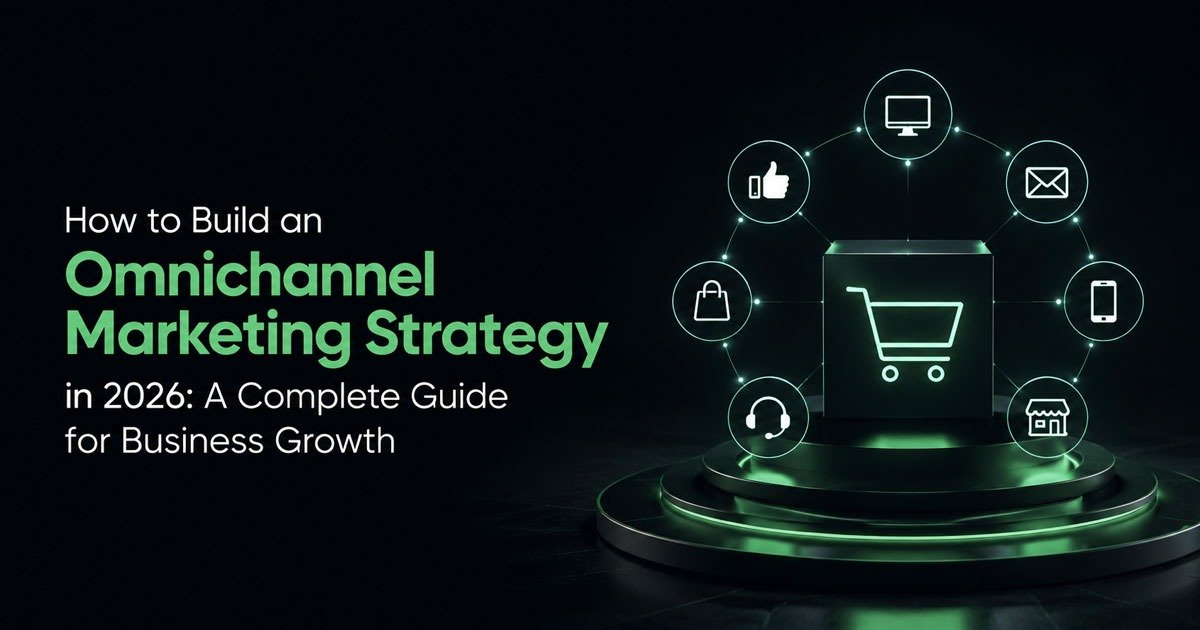
Today's customers interact with businesses through multiple channels before making a purchase. They may discover a brand on social media, visit its website, receive an email, and complete a purchase through a mobile app or physical store. They expect every interaction to be seamless and consistent.
An omnichannel marketing strategy helps businesses connect these touchpoints to create a unified customer experience throughout the customer journey. Combined with a strong digital marketing strategy and marketing automation, it enables businesses to build stronger customer relationships, improve engagement, and achieve sustainable growth.
This guide explains how to build an effective omnichannel marketing strategy in 2026.
What Is an Omnichannel Marketing Strategy?
An omnichannel marketing strategy is a customer-centric approach that integrates all online and offline marketing channels to deliver a consistent brand experience.
Unlike multichannel marketing, where each platform operates independently, omnichannel marketing ensures every interaction is connected. Whether customers engage through your website, social media, email, or physical store, they receive a seamless experience that builds trust and encourages loyalty.
Why Omnichannel Marketing Matters in 2026
Customer expectations continue to evolve. People expect businesses to understand their needs and deliver personalized experiences across every touchpoint.
An effective omnichannel marketing strategy helps businesses:
- Improve customer experience
- Strengthen brand consistency
- Increase customer engagement
- Improve customer retention
- Generate more qualified leads.
- Increase conversions
- Support long-term business growth.
Businesses that create connected customer experiences are more likely to stay competitive in today's digital marketplace.
6 Steps to Build an Omnichannel Marketing Strategy
1. Understand Your Customer Journey
The first step is mapping your customer journey. Identify how customers discover your business, research your products or services, make purchasing decisions, and continue interacting after the sale.
Common touch points include:
- Search engines
- Company website
- Social media
- Email marketing
- Mobile applications
- Customer support
Understanding these interactions helps deliver the right message at the right time.
2. Create a Strong Digital Marketing Strategy
A successful digital marketing strategy supports your omnichannel efforts by connecting every marketing activity.
Your strategy should include:
- Search Engine Optimization (SEO)
- Content marketing
- Social media marketing
- Email marketing
- Paid advertising
Each channel should communicate consistent messaging while supporting your overall business goals.
3. Deliver a Consistent Customer Experience
A seamless customer experience builds trust and strengthens customer relationships.
Ensure consistency in:
- Brand messaging
- Visual identity
- Customer support
- Product information
- Promotions
Customers should receive the same quality of experience regardless of where they interact with your business.
4. Use Marketing Automation
As customer interactions increase, managing every communication manually becomes difficult.
Marketing automation helps businesses:
- Send personalized emails
- Nurture leads
- Schedule social media posts.
- Segment audiences
- Track customer behavior
- Improve campaign performance
Automation saves time while delivering relevant communication throughout the customer journey.
5. Personalize Customer Interactions
Modern customers expect personalized experiences.
Use customer data to:
- Recommend relevant products
- Send personalized offers
- Customize website content
- Deliver targeted email campaigns.
Personalization improves engagement and encourages long-term customer loyalty.
6. Measure and Optimize Performance
An omnichannel marketing strategy should continuously improve.
Monitor key performance indicators (KPIs) such as:
- Website traffic
- Customer engagement
- Conversion rate
- Customer retention
- Return on investment (ROI)
Regular analysis helps identify opportunities to improve your marketing strategy and customer experience.
Common Mistakes to Avoid
Many businesses struggle because they:
- Treat each marketing channel separately.
- Deliver inconsistent messaging
- Ignore customer feedback
- Fail to personalize communication.
- Neglect mobile users
- Don't measure campaign performance.
Avoiding these mistakes helps create a more effective omnichannel marketing strategy.
Conclusion
Building an effective omnichannel marketing strategy is essential for businesses that want to succeed in 2026. By understanding the customer journey, delivering an exceptional customer experience, implementing a strong digital marketing strategy, and leveraging marketing automation, businesses can create meaningful customer relationships and drive sustainable business growth.
As customer expectations continue to evolve, organizations that invest in connected and personalized experiences will be better positioned for long-term success.
Frequently Asked Questions (FAQs)
1. What is an omnichannel marketing strategy?
An omnichannel marketing strategy integrates all marketing channels to create a seamless and consistent customer experience across every touchpoint.
2. Why is omnichannel marketing important?
It improves customer experience, increases engagement, strengthens brand loyalty, and helps businesses achieve higher conversion rates.
3. How does customer journey mapping help?
Customer journey mapping helps businesses understand customer interactions and deliver relevant communication at every stage.
4. What role does marketing automation play?
Marketing automation streamlines repetitive tasks such as email campaigns, lead nurturing, and audience segmentation while improving personalization and efficiency.
5. What is the difference between omnichannel and multichannel marketing?
Multichannel marketing uses multiple channels independently, while an omnichannel marketing strategy integrates all channels to provide a unified customer experience.
.jpeg)
.jpeg)
.jpeg)