


- North Star Consulting Group
- 22 Jul 2026
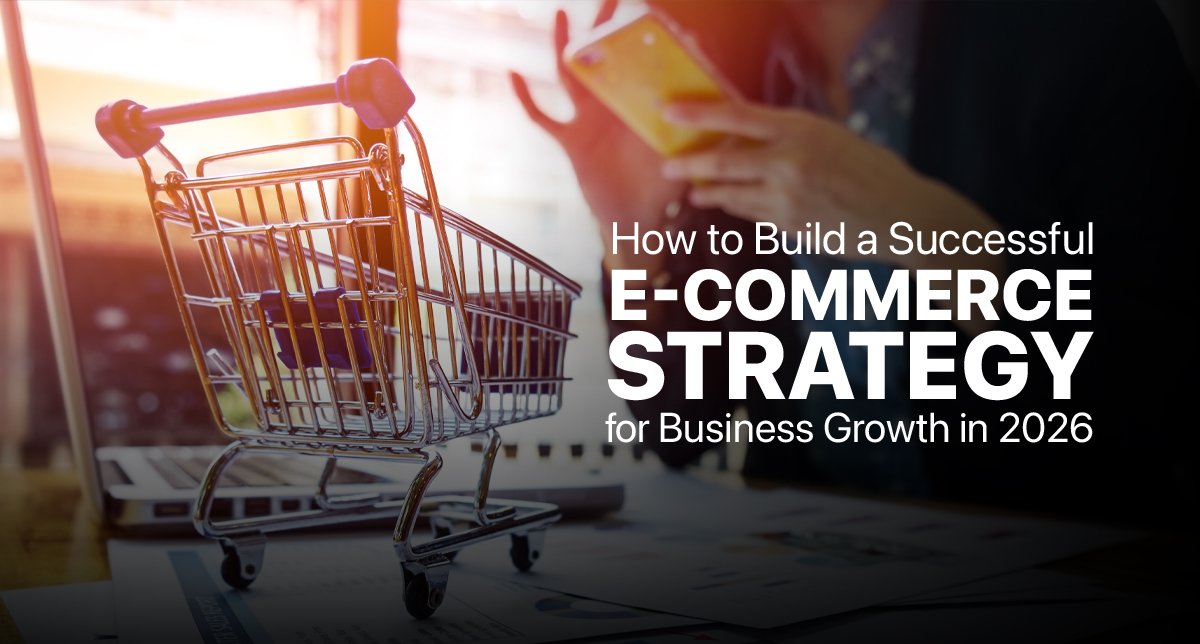
How to Build a Successful E-commerce Strategy for Business Growth in 2026
In today's competitive digital marketplace, businesses need more than just an online store to succeed. A well-planned e-commerce strategy helps attract the right customers, improve the shopping experience, and drive long-term business growth. As customer expectations and technology continue to evolve in 2026, having a clear strategy is essential for staying competitive.
This guide explores the key elements of building a successful e-commerce strategy and provides practical insights to help businesses achieve sustainable growth in the ever-changing e-commerce landscape.
What Is an E-commerce Strategy?
An e-commerce strategy is a structured plan that helps businesses achieve their online sales and growth objectives. It outlines how a business will attract potential customers, convert them into buyers, and retain them through a seamless shopping experience.
A successful e-commerce strategy goes beyond selling products online. It includes understanding customer needs, selecting the right sales channels, optimizing the website for better performance, and making data-driven decisions. By following a clear
With a strategy, businesses can improve their online presence, increase customer satisfaction, and stay competitive in a rapidly changing digital marketplace.
Why Every E-commerce Business Needs a Strong Strategy in 2026
The e-commerce industry is becoming more competitive as customer expectations continue to grow. Shoppers now expect fast-loading websites, secure payment options, personalized experiences, and reliable delivery services. Without a clear e-commerce strategy, businesses may struggle to meet these expectations and stand out from competitors.
A strong strategy helps businesses identify their target audience, optimize their online store, improve marketing efforts, and make informed decisions based on performance data. It also allows businesses to adapt to changing market trends and customer behavior, ensuring they remain competitive in a rapidly evolving digital landscape.
By investing in a well-defined e-commerce strategy, businesses can increase customer trust, improve sales, and build a strong foundation for long-term growth.
Key Elements of a Successful E-commerce Strategy
Building a successful e-commerce strategy requires more than launching an online store. It involves focusing on key areas that improve customer experience, increase sales, and support long-term growth. Here are the essential elements every business should consider.
1. Understand Your Target Audience
Knowing your target audience is the foundation of every successful strategy. Research customer preferences, buying behavior, and pain points to create products, services, and marketing campaigns that meet their needs.
2. Optimize Your Website
Your website should be fast, mobile-friendly, and easy to navigate. A simple checkout process, secure payment options, and clear product information help create a better shopping experience and encourage more conversions.
3. Invest in E-commerce Consulting
Professional e-commerce consulting can help businesses identify growth opportunities, improve online operations, and develop effective strategies. Expert guidance enables businesses to make informed decisions and stay competitive in a rapidly changing market.
4. Embrace Digital Transformation
Digital transformation helps businesses improve efficiency by adopting modern technologies such as automation, AI-powered tools, data analytics, and cloud-based solutions. These innovations enhance customer experiences and streamline daily operations.
5. Focus on Business Growth Strategies
Successful business growth strategies include expanding into new markets, improving customer retention, offering personalized experiences, and using data to make smarter business decisions. These strategies help businesses achieve sustainable growth over time.
How E-commerce Consulting Helps Businesses Succeed
As businesses grow, managing an online store becomes more complex. This is where e-commerce consulting plays an important role. It provides expert guidance to help businesses improve their online operations, solve challenges, and achieve their goals more efficiently.
Experienced consultants evaluate your current e-commerce performance, identify areas for improvement, and recommend practical solutions based on your business objectives. They can also help optimize website performance, enhance customer experience, and develop effective marketing strategies.
Whether you're launching a new online store or scaling an existing one, e-commerce consulting enables you to make informed decisions, reduce costly mistakes, and stay competitive in a rapidly evolving digital marketplace. By working with industry experts, businesses can build a stronger foundation for long-term success.
The Role of Digital Transformation in E-commerce
Digital transformation is changing the way businesses operate and connect with customers. By adopting modern technologies, businesses can improve efficiency, streamline operations, and deliver better shopping experiences.
Technologies such as artificial intelligence (AI), automation, cloud computing, and data analytics help businesses make informed decisions and respond quickly to changing customer needs. These tools also reduce manual tasks, improve inventory management, and enhance customer support.
As customer expectations continue to evolve, digital transformation enables businesses to stay competitive by offering faster, more personalized, and seamless online experiences. Businesses that embrace innovation are better positioned to adapt to market changes and achieve long-term success in the e-commerce industry.
Business Growth Strategies for Long-Term Success
Implementing effective business growth strategies is essential for achieving sustainable success in the competitive e-commerce industry. A clear growth plan helps businesses expand their customer base, increase revenue, and strengthen their market presence.
One of the most effective business growth strategies is understanding your customers and continuously improving their shopping experience. Businesses should also focus on customer retention by offering quality products, excellent service, and personalized communication.
Regularly analyzing business performance and adapting to market trends can help identify new opportunities for growth. Investing in innovation, improving operational efficiency, and building strong customer relationships are also key business growth strategies that support long-term success.
By following the right business growth strategies, businesses can remain competitive, adapt to changing market demands, and achieve consistent growth over time.
Conclusion
A well-defined e-commerce strategy is the foundation of long-term success in today's competitive digital marketplace. By understanding customer needs, optimizing your online store, monitoring performance, and adapting to changing market trends, businesses can improve customer satisfaction and achieve sustainable growth.
As the e-commerce industry continues to evolve in 2026, businesses that invest in a clear and effective strategy will be better equipped to overcome challenges and seize opportunities.
new opportunities. Regularly reviewing and refining your approach ensures your business remains competitive and continues to deliver value to customers.
Whether you're starting a new online store or looking to grow an existing one, building a strong e-commerce strategy is an essential step toward achieving your business goals.
Frequently Asked Questions (FAQs)
1. What is an e-commerce strategy?
An e-commerce strategy is a plan that helps businesses achieve their online goals by improving customer experience, increasing sales, and driving long-term growth through effective planning and execution.
2. Why is an e-commerce strategy important for businesses?
A well-planned e-commerce strategy helps businesses attract the right customers, improve conversion rates, enhance customer satisfaction, and stay competitive in the evolving digital marketplace.
3. What is e-commerce consulting?
E-commerce consulting is a professional service that helps businesses improve their online operations, optimize performance, and develop strategies to achieve sustainable growth.
4. How does digital transformation benefit an e-commerce business?
Digital transformation enables businesses to adopt modern technologies that improve efficiency, streamline operations, enhance customer experiences, and support informed decision-making.
5. What are business growth strategies in e-commerce?
Business growth strategies are methods that help businesses expand their customer base, increase revenue, improve customer retention, and achieve long-term success in the competitive e-commerce industry.
.jpeg)
.jpeg)