


- North Star Consulting Group
- 16 Apr 2026
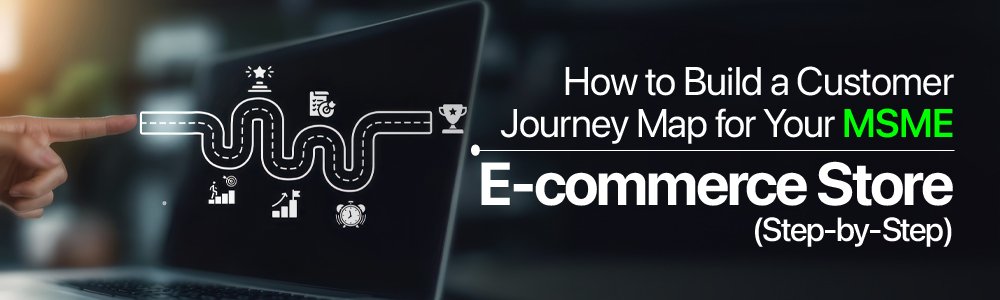
Customer Journey Map for E-commerce MSMEs: Step-by-Step Guide (2026)
In today’s competitive e-commerce market, understanding your customer is no longer optional — it is essential.
Many MSMEs struggle with low conversions due to unclear customer journeys. Following a structured e-commerce growth strategy can help identify and fix these gaps early.
A customer journey map for e-commerce helps you visualize this process and improve every step — from discovery to purchase and retention.
What is a Customer Journey Map?
A customer journey map is a structured way to understand:
- How customers find your business
- How they interact with your website
- What influences their buying decision
- Where they drop off
If you are new to this concept, it helps to first understand the basics of customer journey in e-commerce before building a full strategy.
Why It Matters for MSME E-commerce
Businesses that follow proven customer experience frameworks often see better engagement and higher conversions.
A well-defined journey map helps you:
- Improve conversion rates
- Reduce cart abandonment
- Build trust with customers
- Increase repeat purchases
Businesses that follow structured digital strategies (as explained through frameworks shared by NSCG) often see more consistent growth.
E-commerce Customer Journey Stages
Before building the map, you need to understand the four key stages:
1. Awareness
The customer discovers your brand through ads, search, or social media.
2. Consideration
They compare your product with competitors.
3. Decision
They decide whether to purchase.
4. Retention
They come back for repeat purchases.
Each stage plays a critical role in conversions.
Step-by-Step Guide to Building a Customer Journey Map
Step 1: Define Your Customer Persona
Start with your ideal customer.
Ask:
- What problem are they solving?
- What motivates them to buy?
Example: A diabetic footwear customer looks for comfort, safety, and long-term usability.
Step 2: Identify Customer Touchpoints
List all places where customers interact with your brand:
- Social media
- Google search
- Product pages
- Checkout page
- Emails or WhatsApp
These touchpoints shape the overall experience.
Step 3: Map Customer Actions at Each Stage
Understand what the customer does:
- Awareness → Browses content
- Consideration → Compares products
- Decision → Adds to cart
- Retention → Engages after purchase
You can further improve this by learning how to optimize your customer journey for better conversions.
Step 4: Identify Pain Points
This is the most important step.
Common MSME issues:
- Slow website speed
- Lack of product clarity
- No customer reviews
- Complicated checkout
If you want deeper insights, analyzing why customers drop off in e-commerce can help refine this step.
Step 5: Add Solutions
Now connect problems with solutions:
- Add detailed product descriptions
- Include reviews and ratings
- Simplify checkout process
- Provide clear return policies
These small improvements can significantly boost conversions.
Step 6: Focus on Retention Strategy
Most MSMEs focus only on getting new customers. But real growth comes from repeat buyers.
Use:
- Email marketing
- WhatsApp follow-ups
- Personalized offers
You can explore effective retention strategies through structured approaches shared on NSCG.
Step 7: Create a Simple Journey Map
Use a table like this:
| Stage | Customer Action | Pain Point | Solution |
|---|---|---|---|
| Awareness | Sees ad | Low trust | Add testimonials |
| Consideration | Visits product page | Lack of details | Improve content |
| Decision | Checkout | Confusion | Simplify process |
| Retention | Post-purchase | No engagement | Email follow-up |
Keep it simple and easy to update.
Common Mistakes to Avoid
- Not using real data
- Ignoring mobile users
- Overcomplicating the journey
- Not updating the map regularly
How This Improves Your E-commerce Growth
A well-built customer journey map helps you:
- Increase conversions
- Improve user experience
- Build customer trust
- Generate repeat sales
It turns your business into a structured system instead of guesswork.
Final Thoughts
Building a customer journey map for e-commerce MSMEs is one of the most practical ways to improve performance without increasing marketing spend.
When you understand your customer’s journey clearly, every decision becomes smarter — from marketing to sales to retention.
Businesses that focus on structured systems instead of random marketing efforts tend to achieve more consistent results by following a performance-driven digital approach.
FAQs
What is a customer journey map in e-commerce?
It is a visual representation of how customers interact with your brand across different stages before and after purchase.
Why is it important for MSMEs?
It helps improve conversions, reduce drop-offs, and create better customer experiences.
How often should I update it?
You should review and update your journey map regularly based on customer behavior and data.

.jpeg)
.jpeg)